Category: Open Banking
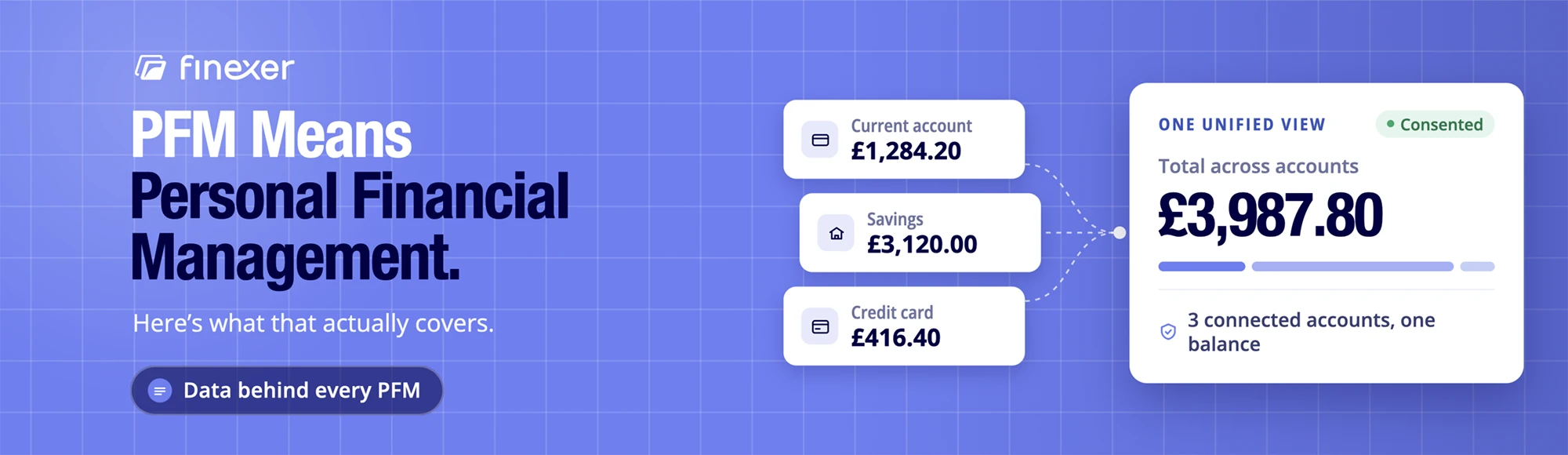
PFM Meaning: What Personal Financial Management Actually Covers
PFM, meaning Personal Financial Management, is a category of tools bringing forth account balances, categorising everyday spending and flagging upcoming bills before they land. This guide’s coverage extends to what PFM represents, ways a PFM tool reads banking data behind the scenes and the needs that a platform may have before it properly builds one.
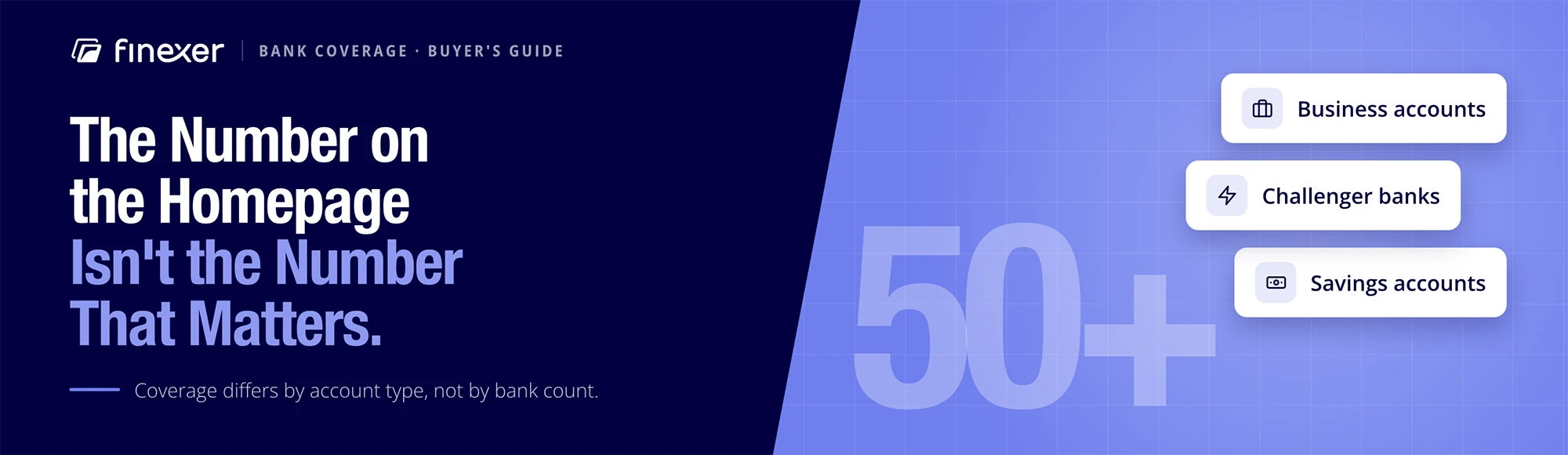
Which Open Banking provider has the best UK bank coverage?
Headline bank counts look impressive but tell you little about real open banking bank coverage. The differences that matter sit in business accounts, challenger banks, and connection reliability. Here’s what to ask a provider before choosing, and where common coverage gaps actually appear.
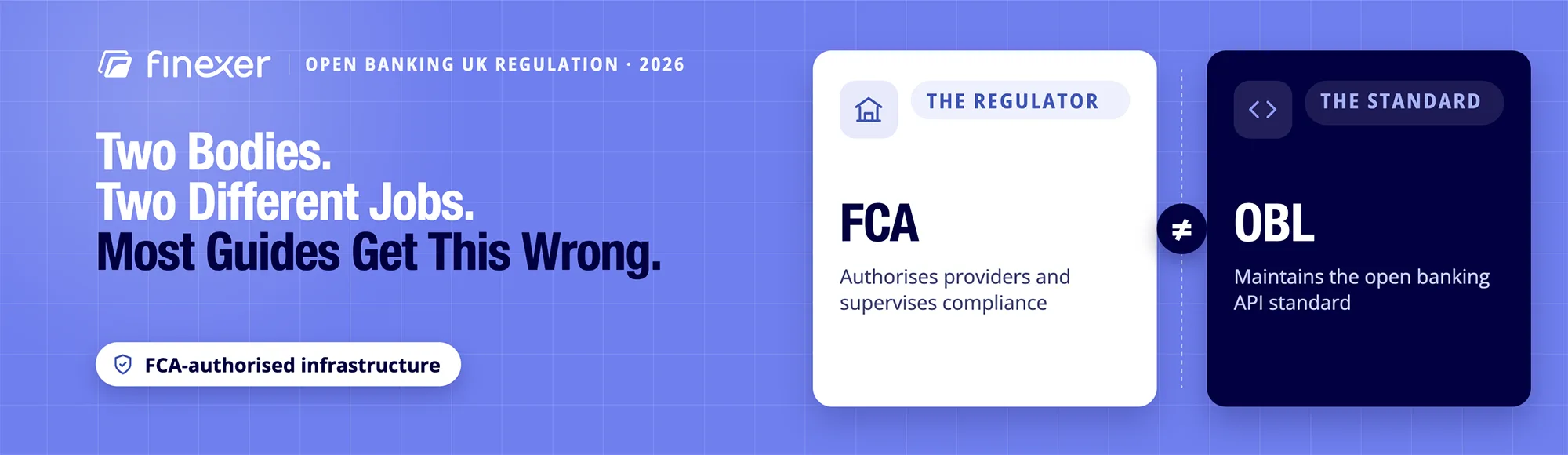
Open Banking UK Regulation: Essential 2026 Guide
Open banking UK regulation divides responsibility between the FCA and Open Banking Limited, with PSD2 as its legal foundation. This guide explains authorisation, AISP and PISP status, the 2026 regulatory changes, and what compliance leads and product managers should verify before building on an open banking provider.
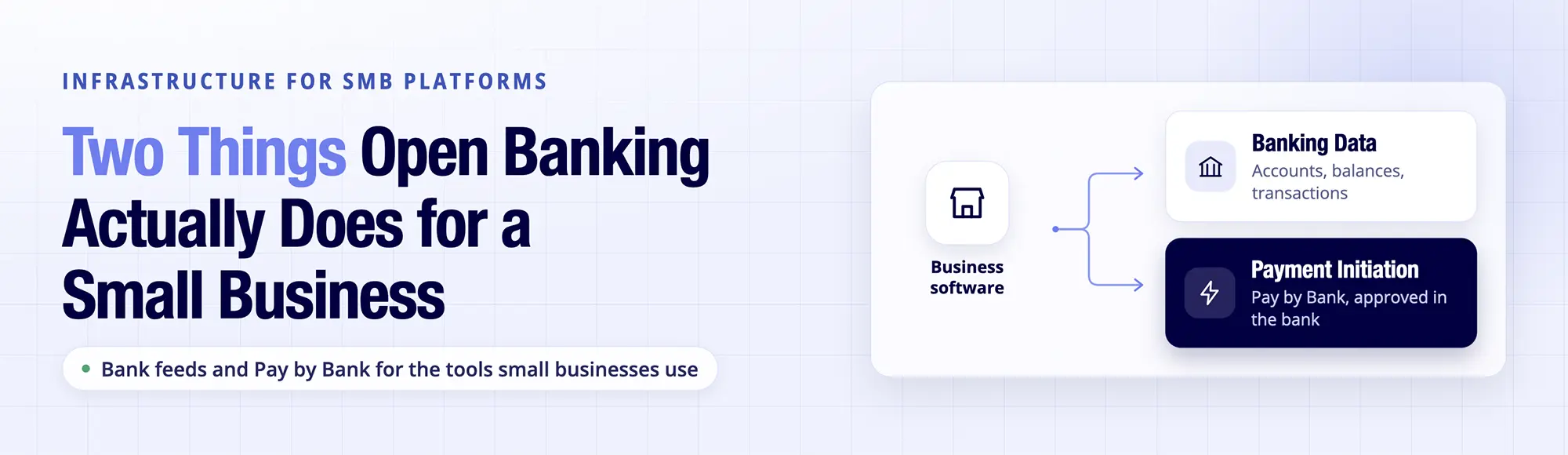
Open Banking for Small Businesses: A Practical UK Guide
Open banking for small business gives smaller firms access to banking data and account-to-account payments through regulated providers. This guide explains small business payment processing, Pay by Bank, reconciliation, cash visibility and open banking payment initiation, including what businesses need to get started and where platform providers such as Finexer fit into the picture.
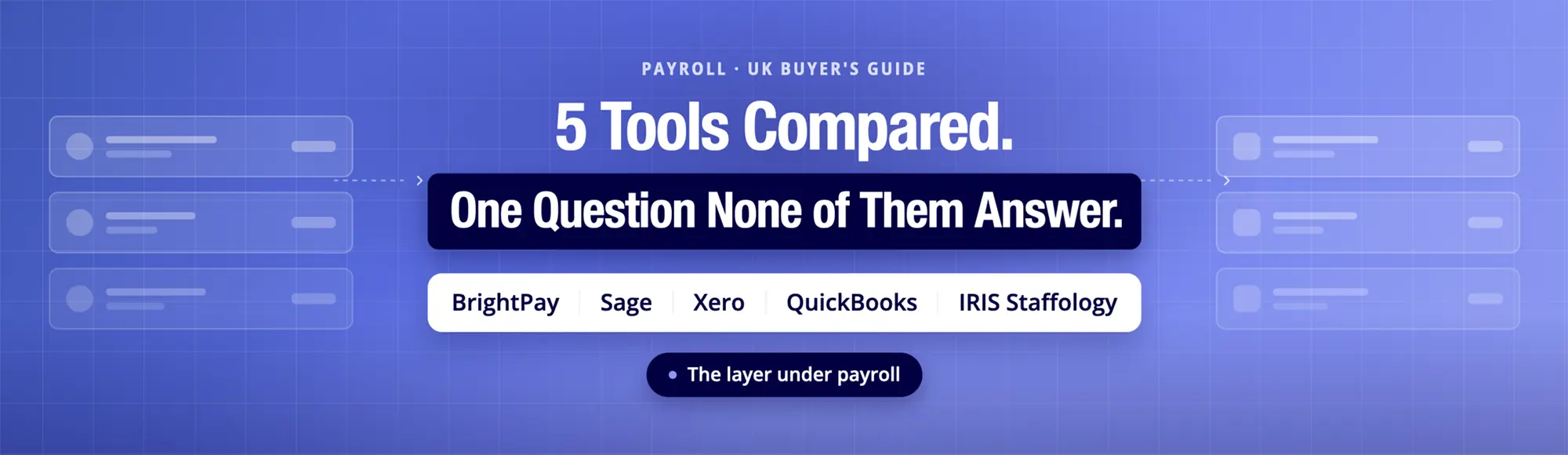
Payroll Processing Software: 5 UK Tools Compared
Compare payroll processing software for UK practices and employers, including payroll processing software for accountants and payroll processing software for small business. This guide assesses HMRC recognition, bureau features, integrations, pricing models and the payment step after payroll. It also explains where payment execution, failed salary payments and reconciliation fit into the wider payroll workflow.

Open Banking for Payments: Proven Merchant Guide
Merchants evaluating open banking for payments want a direct comparison with cards on cost, settlement, and checkout experience. This guide covers how the open banking payment flow works, where it outperforms card rails, what its honest limitations are, and which UK business models get the most from it in 2026.

Payment Failure: Why It Keeps Happening and What Actually Fixes It
Every payment failure has a specific cause, and most payment failures follow familiar patterns across cards, Direct Debit and bank payments. This guide explains why they happen, how they affect revenue, and what to look for in a payment system for small businesses before failed collections become a recurring operational problem.

Build, Refer, or White Label: The Decision Most Platforms Get to Only Once
Choosing between building bank connectivity in-house, referring customers elsewhere or adopting white label finance solutions comes down to how much regulatory burden a platform wants to keep. This guide explains white label financial services against the other two routes, what regulatory reliance actually means and the criteria separating a strong provider from a weak one.

Alternative Payment Options: Best UK Methods Compared
Cards are not the only option for UK merchants. Alternative payment options -from Open Banking and Direct Debit to digital wallets and A2A -each offer different trade-offs on cost, settlement speed, and chargeback exposure. This guide compares the most relevant UK payment methods so merchants can evaluate what fits their business model.

Open Banking APIs: UK Standards and Specs Explained
Two providers connecting to the same bank can behave differently, even though both follow open banking api standards. This guide explains what the UK Open Banking Standard actually mandates, what is left to each provider’s implementation, and how to read API documentation against the spec before you commit to an integration.

UK Financial Data: Verified Access Routes Explained
UK financial data can be accessed three ways: manual upload, credential scraping, or consented Open Banking connections. Only one is built for regulated, verified access at scale. This guide covers what UK financial data actually includes, how consent works, and what separates a legitimate access route from a declining one.

Open Banking Payment Initiation: How PIS Actually Works
Open banking payment initiation lets businesses collect bank payments directly through a regulated payment initiation service, without card networks or intermediaries. Learn how PIS works, how Strong Customer Authentication protects every payment, and what to evaluate before choosing a provider for Pay by Bank integration.

What a Bank Account Verification API Actually Returns
A bank account verification api checks that an account exists and that the name on it matches the expected payee before money moves. This guide covers UK bank account verification match outcomes, full match, close match, no match, where the check belongs in a payment flow, and what to evaluate before choosing an API provider.

Open Banking Data Sharing: How Secure Consent Works
Open banking data sharing lets customers grant regulated third parties read access to specific bank data, for a defined period, without ever sharing login credentials. This guide walks through the consent journey step by step, what permissions actually mean, and the privacy protections built into the model by design.

Open Banking API Solutions: Solve Real Business Problems
Open banking API solutions are not one feature. This guide maps specific business problems, manual reconciliation, high card fees, payment fraud, to the exact capability that solves each one, and explains why most real fixes need two or more capabilities working together, not a single API call.

Open Banking API Examples: Real API Calls Explained
Open banking API examples walk developers through three core workflows: retrieving account data, initiating payments, and verifying account holders. This guide shows real request shapes, response structures, authentication flows, and the integration realities that separate documentation from production code you can actually ship.

Open Banking Payments: A Guide for UK Businesses
Open banking payments move money directly between bank accounts, authorised by the customer and settled via Faster Payments. This guide explains how they work, compares them with cards and Direct Debit, covers variable recurring payments for subscriptions, and outlines what to evaluate before choosing an Open Banking payments provider.

6 Open Banking API Use Cases: What Developers Actually Build
Most guides show business outcomes. This one shows what developers actually integrate. Concrete AIS endpoint structures, PIS payment flows, real data schemas, and worked examples of account aggregation, affordability checks, and Pay by Bank checkouts – the technical depth developers need before writing their first API call.

Top 5 Tink Alternatives for UK Businesses in 2026
Searching for Tink alternatives usually starts with a mismatch: you need UK coverage and a fast integration, and an enterprise pan-European platform is more than the job requires. This guide compares five credible options on coverage, deployment speed and bundled capabilities, so that you can shortlist the provider that actually fits your product and timeline.

UK Open Banking Security: 5 Myths About Consent
Open banking security is often misunderstood because many businesses still believe outdated myths about consent and data sharing. This guide explains how open banking API security protects financial information, who controls access, and why regulated APIs provide stronger safeguards than older methods used before Open Banking became widely available in the UK.

Open Banking for Businesses: Why UK Companies Are Adopting It Faster Than Ever
Open banking for businesses gives organisations secure access to current banking data, account-to-account payments and faster financial decisions. This guide explains why open banking for small businesses’ adoption continues to grow, what commercial value it delivers and how to evaluate an FCA-authorised provider before selecting Open Banking infrastructure for long-term growth.

Transaction Monitoring Process UK: What the Law Requires
Most guides to the transaction monitoring process jump straight to software. This one starts where your obligations actually start: the regulatory text itself. In plain, practical terms, it covers exactly what MLR 2017 and POCA 2002 require, what triggers a SAR, how often monitoring should run, and the documentation HMRC expects to see on file.

6 Best Open Banking Solution Providers UK 2026
Expense management automation goes beyond OCR receipt capture. This guide compares receipt-only workflows with bank-verified matching, showing how UK finance teams can use real bank transaction data to improve reconciliation, policy checks, GL-code automation, and audit readiness. Learn what to evaluate before choosing an expense management automation solution

AISP Meaning: AISP vs PISP vs ASPSP Explained (UK)
AISP, PISP, ASPSP and TPP can look like alphabet soup, but the ideas behind them are genuinely simple. This plain-English guide explains what an AISP does, how it differs from a PISP and an ASPSP, why many providers hold both licences, and how to check any UK provider on the FCA register before you integrate.
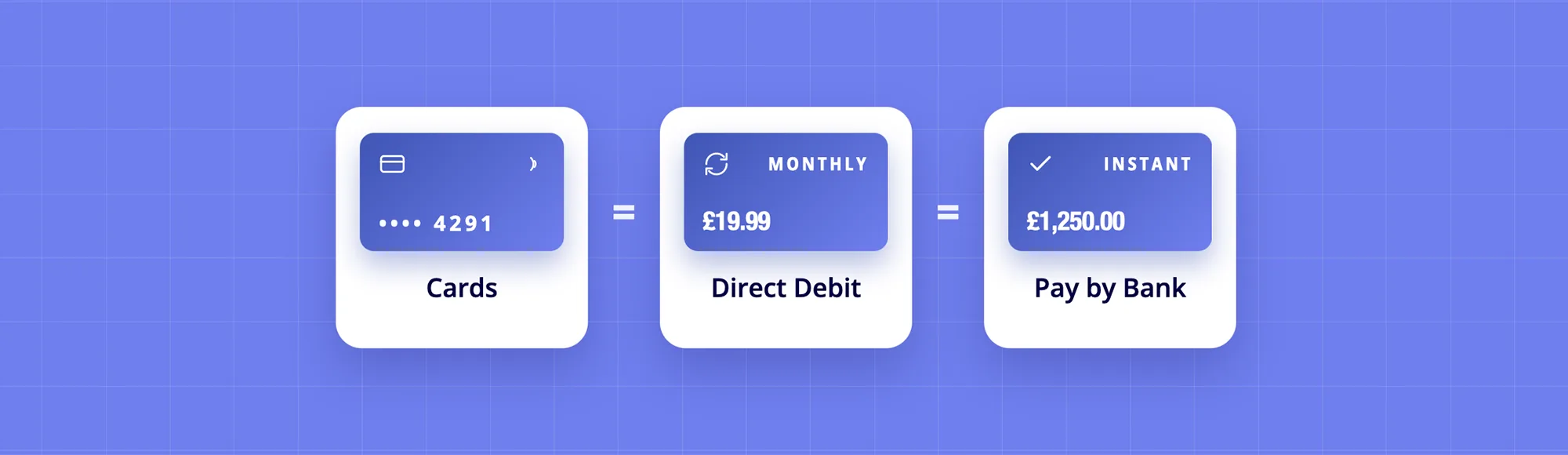
Online Payment Systems UK: Cards vs Bank Transfer 2026
Online payment systems in the UK now span cards, bank transfers, and Open Banking. Each suits different use cases-cards dominate by volume, Direct Debit by recurring bills, and Open Banking by speed. This guide compares all three, so you pick the right system for your business.

Open Banking Ecosystem: Who the Players Actually Are (and How They Work Together)
Understanding the open banking ecosystem begins with knowing who participates, why they exist and how data moves securely between them. This guide explains banks, AISPs, PISPs, regulators and open banking infrastructure using practical examples, helping buyers understand the UK’s Open Banking landscape without needing multiple resources or technical documentation.

Online Invoice and Payment Processing UK: Beyond Card Fees
Discover how online invoice and payment processing using Open Banking replaces costly card-based Pay Now buttons with Pay by Bank. Learn how automated invoice processing, instant payment confirmation via Faster Payments and bank-data reconciliation reduce manual finance work, lower transaction costs and improve payment visibility for UK SaaS platforms while accelerating cash flow.

Transaction Monitoring Solutions: Scored Evaluation (UK)
Most transaction monitoring solutions fail because of alert fatigue, not missing features. This guide scores vendors on data quality, lookback depth, alert configurability, and audit trails, helping UK compliance teams compare solutions using practical evaluation criteria and choose one that reduces false positives instead of creating more unnecessary alerts.

Plaid Pricing for UK Startups 2026
Plaid pricing looks straightforward until UK buyers request a quote. Unlike US customers, plaid api pricing and plaid pricing UK typically require custom contracts instead of self-serve plans. Learn what drives costs, how enterprise pricing works and what startups should evaluate before beginning an Open Banking procurement process with confidence today.

Bank Transaction Data Enrichment Tools: UK Comparison
Bank transaction data enrichment tools do a different job from the ZoomInfo-style results that dominate this search. This UK comparison covers the six tools that turn raw bank descriptors into verified merchants and categories: Finexer, Bud, Plaid Enrich, Tink, Yapily Data Plus and Salt Edge, and how to choose.